PVC Core Splits: How We Replaced The Half-Cut Pipe
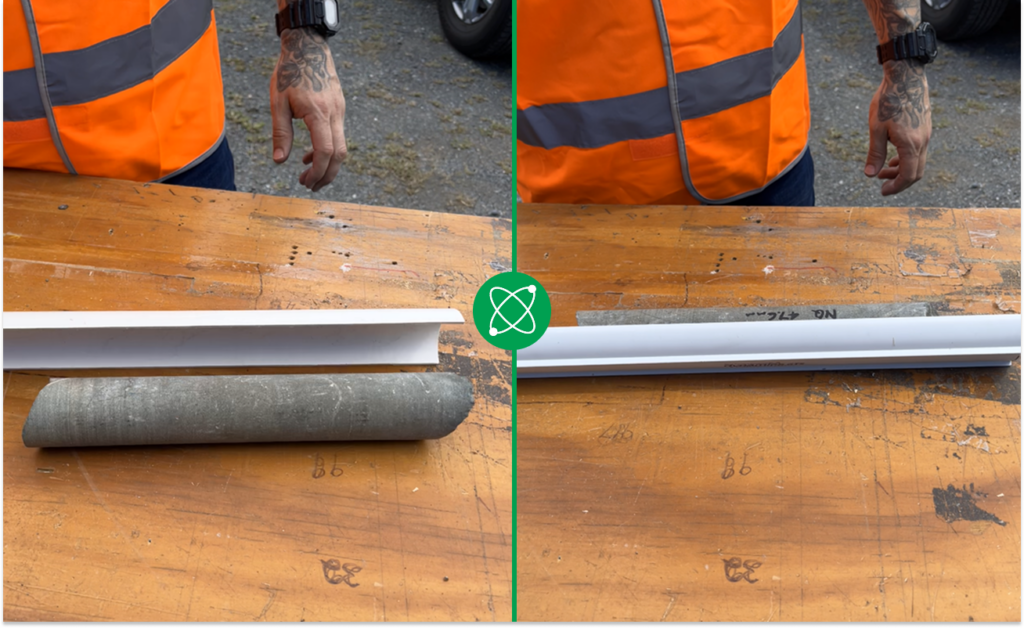
On almost every geotechnical drill site in Australia, you’ll find the same thing on the logging bench: a length of PVC pipe, cut in half with an angle grinder, used to hold core samples during logging. PVC Core Splits have been done this way for decades, but anyone who’s spent a shift fighting rolling samples, repositioning pipes that won’t sit flat, and cleaning rough-cut edges knows it’s anything but a perfect solution.
We looked at that half-cut pipe and asked a simple question: what would this look like if someone actually designed it for the job?
The Problem With Half-Cut Pipe
Cutting PVC pipe in half on site creates a functional core holder, but it introduces several problems that compound across a logging shift:
Rolling. A half-round pipe has no flat base. Place it on a bench, and it rocks. Place a core sample in it, and it rolls. Every time a geologist reaches for a hand lens or a marker, the sample moves. Orientation marks shift, fragile core sections separate, and time is lost repositioning.
Inconsistency. Every cut is different. Wall thickness varies with whatever pipe was available on site. The cut line is rarely straight. Edges are rough and can damage the core. One site’s splits don’t match another’s, and none of them are designed to fit any particular tray.
No integration with trays. A half-cut pipe sits loosely in a core tray. During transport from the logging bench to the core library, the tray shifts and tilts, allowing the sample to move. There’s nothing locking it in place.
Field time wasted. Someone on site has to cut the pipe, clean the edges, and manage the offcuts. It’s not a major time cost on any single day, but across a program it adds up – and it’s time spent making a tool that was never designed for the task.
PVC Core Splits: What We Changed
Dynamics GTS PVC Core Splits is a purpose-built replacement for the half-cut pipe. It’s a single moulded piece, not cut from pipe stock, designed around the specific requirements of core logging and storage in geotechnical programs.
Dual stabilisation legs. The base of each split includes two integrated legs that align with the raised centre section of the CoreTech core tray. The split sits locked in place – it doesn’t roll on the bench, doesn’t shift in the tray, and doesn’t allow the core sample to rotate during transit. This is the single biggest functional difference from a half-cut pipe: the sample stays where you put it.
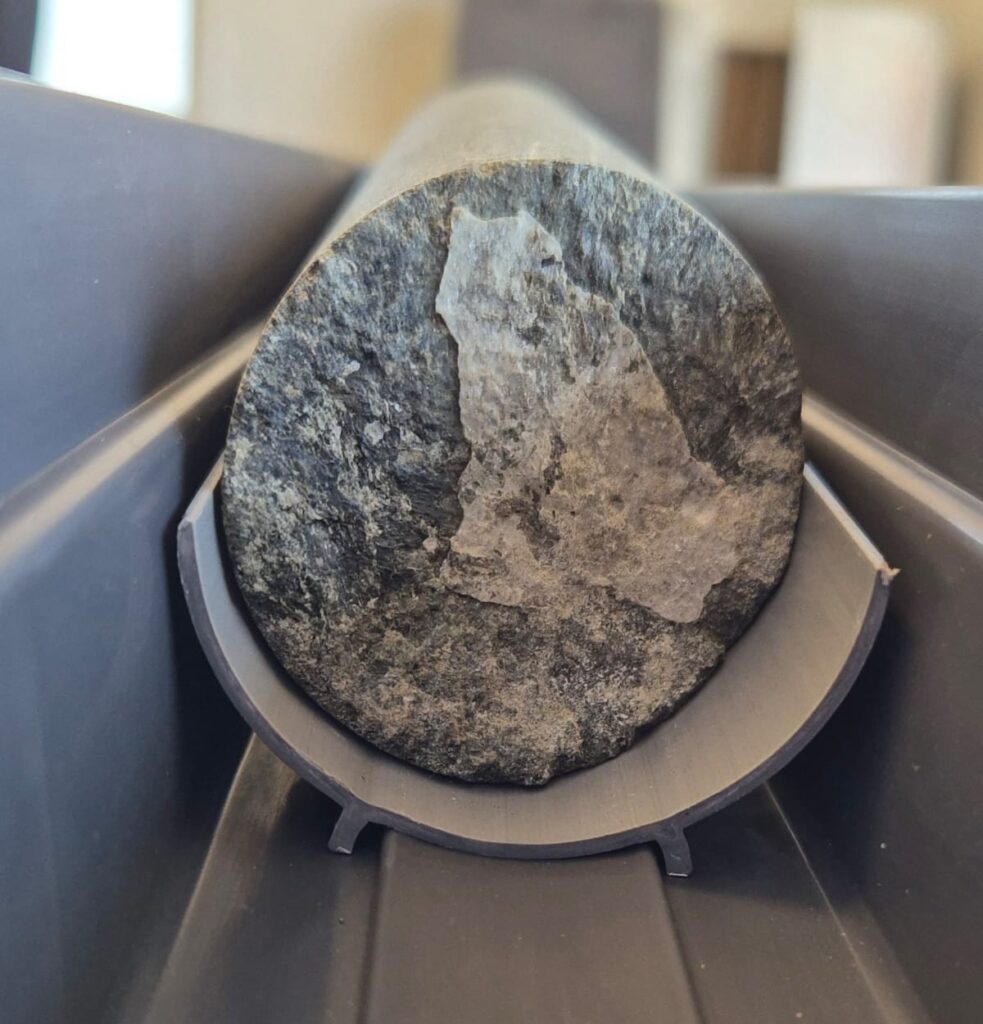
Consistent 2mm wall thickness. Every split has the same wall profile, dimensions, and internal surface finish. There’s no variation across batches, sites, or projects. The 2mm reinforced wall resists cracking and deformation under the weight of dense, saturated core – something that thinner pipe-based splits can’t reliably do.
Smooth internal surface. The moulded interior is consistent and clean. No rough-cut edges, no burrs, no scoring that could mark or damage soft core. Samples slide in and out cleanly, and the splits clean easily between uses.
Size-matched to core diameters. Available in NQ, HQ, and PQ configurations, each split matches the core diameter it’s designed for. No more selecting the closest available pipe size and hoping it’s a reasonable fit.
A Small Change With A Compounding Effect
Core splits aren’t a headline item in a geotechnical equipment list. They’re a consumable that most people don’t think about until they’re on the bench trying to log core that won’t stay still. But the cumulative effect of switching from improvised pipe to a purpose-built tool is real: less time spent repositioning samples, better preservation of core orientation, fewer damaged sections from rough handling, and a logging workflow that’s consistent across sites and across teams.
When your splits lock into the tray, the core stays oriented. When the core stays oriented, the logging is faster and more accurate. When the logging is more accurate, everything downstream – from lab testing to design decisions – starts from better data.
Learn more about the CoreTech core tray system that these splits are designed for → CoreTech Core Tray (/product/coretech-core-tray/)
Ordering details: PVC Core Splits are available in NQ, HQ, and PQ configurations in boxes of 30. Request Quote → or call 1800 518 051.